Yirralka Rangers

Yirralka Rangers
In 2003, Laynhapuy established the Yirralka Ranger land and sea resource management program in response to Traditional Owners desire to manage their Country and to deal with threats to cultural and environmental values.
Yolŋu Knowledge Framework
The Yolŋu Knowledge Framework was a collaboration between Yirralka and Dhimurru from 2022-2024. The senior staff from our organisations interviewed more than 40 of our most senior Yolŋu knowledge holders, from all our different clan groups, to learn from them and their vision for how Yirralka can care for Country from a foundation of Yolŋu Law.
The Yolŋu Knowledge Framework sets the foundation of our work and the Elders priorities define our management directions and actions.
Yolŋu must be the ones setting directions for the rangers, and they must always follow the directions of the landowners and caretakers.
– Wakuratjpi Mununggurr
Governance Structure
To determine policy and priorities, the Yirralka Djäkamirr recognise their responsibility to the Wäŋa Wataŋu and Djuŋgaya – the traditional landowners and custodians of the Country they protect and manage.
In 2021, a new Yolŋu governance structure was introduced to strengthen decision making and empower Yolŋu leadership in the management and operation of Yirralka Ranger activities on Country.
As part of this structure, three Ward Mala governing groups were established for:
- Djalkiripuyŋu (Blue Mud Bay)
- Miyarrkapuyŋu (Arnhem Bay)
- Laynhapuyŋu (Gulf Coast)
Together, these groups comprise more than 45 Ŋaḻapaḻmi (knowledge holders) from across the Laynhapuy Homelands.
The Ward Mala provide cultural authority, strategic direction and guidance for land and sea management activities, ensuring decisions are informed by Yolŋu knowledge, law and priorities. Laynha endorses the decisions of the Ward Mala while ensuring organisational, governance and operational requirements are met. Membership is shared across both the Ward Mala and the Laynhapuy Board, creating a strong connection between cultural authority and organisational governance.
Laynhapuy Indigenous Protected Area
Yolŋu landowners declared the Laynhapuy Indigenous Protected Area (IPA) in 2006. Our new IPA Plan of Management (Stage 2) includes the original Stage 1 area and now covers approximately 1,278,996 hectares, including around 444,147 hectares of marine estate. The IPA also includes all islands within the current boundary.
Yolŋu estates do not conform to Western geographical boundaries or land tenure systems. In establishing the expanded IPA, the primary consideration was ensuring that Yolŋu Law was followed and that the support of the Wäŋa Wataŋu and Djuŋgaya was obtained. Supporting their rights and responsibilities through kinship is critical to maintaining peace, harmony and effective stewardship of Country.
At the same time, we recognise the need for conventional Balanda boundaries to meet the requirements of the National Reserve System and to support the planning and delivery of land and sea management programs. It is for this purpose that the IPA boundary has been identified.
The Laynhapuy IPA consists of inalienable Aboriginal freehold land under the Aboriginal Land Rights (Northern Territory) Act 1976 and is located within the Arnhem Land Aboriginal Land Trust. Northern Territory jurisdiction extends from the low tide mark out to three nautical miles (5.5km). Commonwealth territorial waters extend from three to twelve nautical miles (22km) offshore, while Australia’s Exclusive Economic Zone extends 200 nautical miles from the low tide mark.
Although the seabed and water column beyond the low tide mark are not exclusively owned by Aboriginal people, Yolŋu continue to assert their non-exclusive native title rights and responsibilities across sea Country.

Yolŋu are carers for country
Marŋgi’thi wirrki wäŋa’wu djäma’wu
Ranger Galtha program
For generations, we have cared for Country through hunting, reading seasonal signs, protecting ecosystems and maintaining cultural knowledge. Elders teach us when to harvest, how Country changes, and the stories, names and boundaries that connect land and sea. Sharing this knowledge is vital to keeping culture strong.
We are establishing the marŋgi’thi wirrki wäŋawu (Ranger Galtha Program), bringing Djäkami Wäŋawu and Elders together on Country to learn, listen and strengthen cultural knowledge. Guided by Wäŋa Waṯaŋu and Djuŋgaya, the program will visit places across our IPA to learn stories, protocols and place names, while identifying management priorities and informing on-ground ranger activities in homelands.
Miyalk ga djäka wäŋa’wu
Women and caring for Country
Women have always held respected roles in Yolŋu society, with their own knowledge, authority, places and Laws. Women Djäkami Wäŋawu play an important role in caring for Country, maintaining cultural practices, healing, gathering food and medicines, teaching children and guiding practices such as milkarri and cultural burning.
Women need greater inclusion in decision-making across our IPA. We will support this through equal representation of men and women on boards and as Djäkami Wäŋawu, while ensuring workplaces and policies respect cultural protocols.

Wäŋa Yirralka ŋuthan’marama ga wuṉḏaŋarr’kuma
Sustainable Homelands Development
Laynhapuy was established by Elders to support Homeland communities, strengthen self-determination and ensure Yolŋu people can shape their own futures. Yirralka continues this vision by delivering programs within Homelands and supporting sustainable livelihoods for families and future generations.
Tourism, bush products and other Homeland-based enterprises provide opportunities for Yolŋu-owned businesses, employment and skills development while caring for Country and protecting cultural knowledge. Yirralka’s women-led bush products program, built on Yolŋu medicinal knowledge, supports employment, wellbeing, cultural maintenance and community benefit. Together with Laynhapuy, we aim to grow sustainable, Yolŋu-controlled enterprises that combine culture, Country and economic opportunity.

Marŋgithirri romgu
Education and intergenerational knowledge transfer
To safeguard our future, we must educate and empower young people through the passing on of Yolŋu knowledge, language, stories, songs and cultural practices. Guided by Elders and knowledge holders, learning happens through listening, watching and doing, while teaching takes place through story, song, dance, art and time on Country. Our bilingual and on-Country learning programs help connect this knowledge with schools, while Djäkami Wäŋawu play a key role in protecting and sharing cultural authority.
As Country faces challenges such as weeds, feral animals, marine debris, illegal access and climate change, Djäkami Wäŋawu also need mainstream skills to support land management, partnerships, tourism and enterprise opportunities. We are committed to blending Yolŋu knowledge with western learning, ensuring cultural wisdom is recognised and strengthened for future generations.
Ŋayan malanynha wäŋa’wu ga Yolŋu’wu romgu
Threats to our Country and culture
We face many of the same environmental challenges affecting all Australians, including biodiversity loss, invasive species, pollution and climate change. These threats impact not only the health of Country, but also Yolŋu culture, practices and seasonal knowledge, with concerns growing around changing environmental patterns.
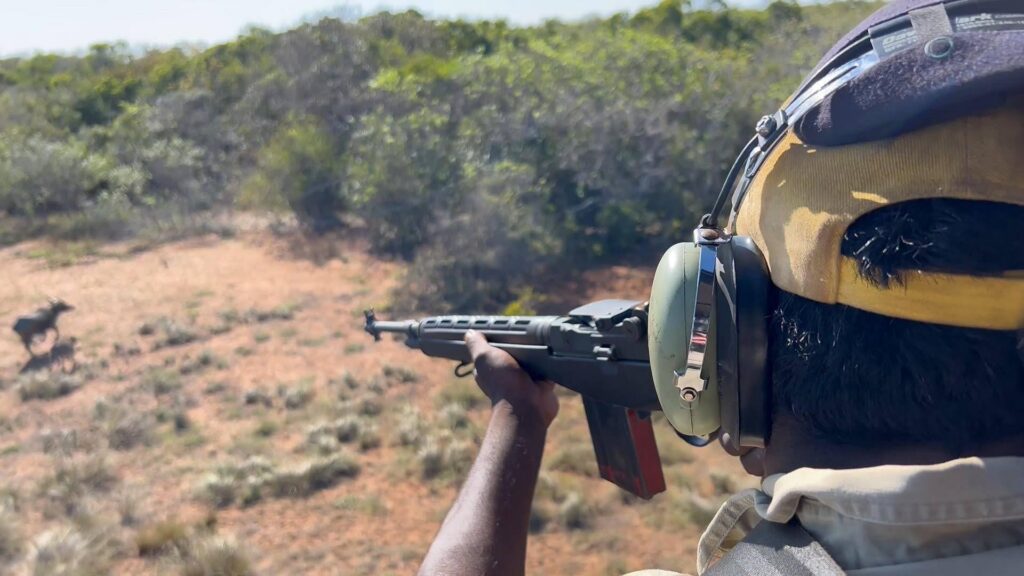
Illegal access to Country remains a major concern, disrespecting Yolŋu ownership and culture. We aim to strengthen our presence on Country, improve compliance and better communicate access requirements. Guided by deep cultural knowledge and supported by mainstream practices where needed, we are addressing key threats including illegal access, weeds, feral animals, salt-water intrusion, biosecurity risks, marine debris and climate change.
We seek to co-design partnerships that promote Yolŋu rights and interests, ensuring shared benefits for all — bala ga lili. We value partners who respect Yolŋu culture, build mutual understanding and work alongside us in culturally safe and productive ways.
Through our Djäkami Work Protocols, we ensure the right people, processes and cultural responsibilities are followed, with Yolŋu leading and partners working alongside us.
Strategies and actions include:
- Increase joint patrols with partners
- Remove illegal infrastructure and manage access points
- Deliver weed and feral animal control programs
- Conduct aerial feral animal management
- Monitor floodplain health using Yolŋu and western knowledge
- Explore economic opportunities from feral animal control
- Strengthen Homeland access compliance and enforcement
- Improve permit processes with landowner involvement
- Address impacts of feral cats, cane toads and invasive ants
- Prioritise ghost net and marine debris clean-up
- Support marine debris recycling partnerships
- Document climate change impacts and mitigation needs
- Strengthen climate research and advocacy partnerships
Ŋoy gapu’wu moṉuk’ku djäka
Managing Sea Country
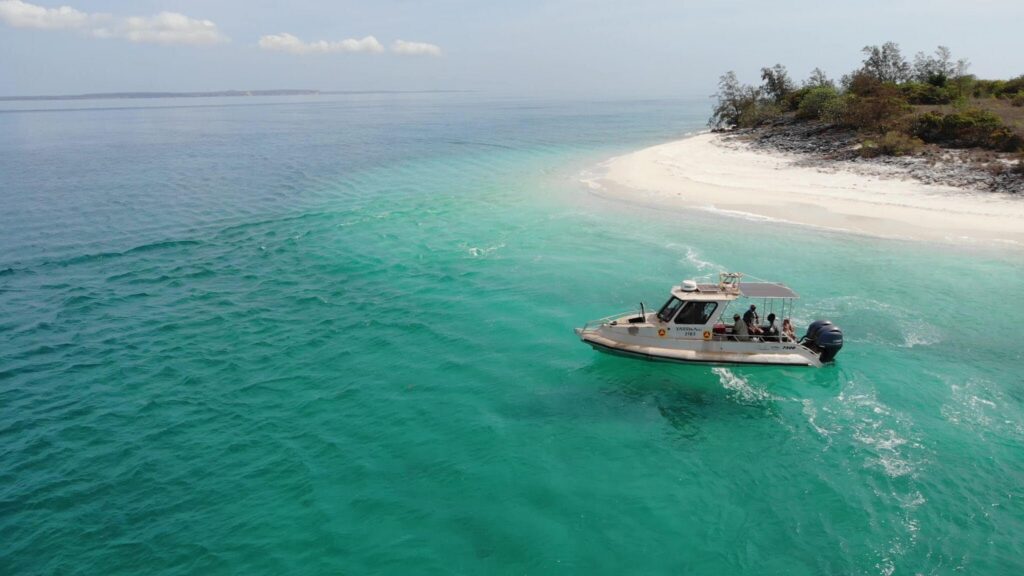
Our sea Country includes the open sea, bays, estuaries, islands, rocky outcrops, reefs, the intertidal zone and beaches.
We care for our sea Country with as much passion and commitment as we do for our land. We need a stronger voice in policies related to sea Country and a stronger presence on our waters to ensure we have the power and control to uphold our ancestral and ongoing responsibilities, keeping sea Country healthy and, in turn, keeping our people healthy.
Strategies and actions include:
- Finalise and implement Sea Country Program Plan
- Establish a dedicated Yirralka Sea Country Team
- Maintain Yirralka’s fleet
- Increase sea patrols, surveillance and compliance training
- Monitor significant species, habitats and climate impacts
- Strengthen fisheries partnerships and capabilities
- Invest in homeland infrastructure for sea Country work
- Increase landowner control over sea Country management
- Pursue partnerships, research and legislative opportunities
Wirpu guḻku’wala djäma guŋga’yunamirriwala
Collaboration with our partners and stakeholders
Our creation ancestors entrusted us with Country and Law, and we have long welcomed respectful visitors who honour Yolŋu ownership, culture and reciprocal relationships. These connections, built through shared knowledge, trade and understanding, continue to strengthen our people and Country.
Yirralka values partnerships that support and strengthen our ways of djäkami wäŋawu, bringing Yolŋu and balanda knowledge together in respectful collaboration. We seek stronger relationships with agencies to ensure shared responsibilities are fulfilled, helping us respond to growing expectations and limited resources.
Ḻakarama roŋinyamarama dhäwu
Reporting back
Engaging with Elders, boards, families and communities is central to caring for Country. Djäkami Wäŋawu are the eyes and ears of Country, learning from and caring for land while keeping landowners and caretakers informed so Country can be cared for together.
New mapping technology is helping record where work is happening, monitor the health of Country and identify management needs. Alongside this, we are developing a monitoring and evaluation framework grounded in Yolŋu knowledge and priorities to support healthy Country for future generations, continuing the vision of our Elders.

Burning Country the right way
Worrk gäma manymak’kuma
Fire knowledge and law were passed to us by our creation ancestors and Elders, who continue to guide Yolŋu fire practices today. Fire renews Country, brings people together, supports food sources and nourishes land spiritually and physically. Guided by cultural indicators, Elders and the teachings of the Djulpan sisters, Yolŋu burn Country at the right time, in the right places, following Yolŋu worrk and protocols.
Yolŋu Djäkami are combining traditional fire knowledge with new technologies to care for Country, protect Homelands and adapt to a changing climate. Elders are supported to pass on knowledge to younger generations, while participation in the carbon economy helps strengthen fire management and homeland development. We continue to lead when, where and why we burn, ensuring Yolŋu ways remain at the centre of caring for Country.
Strategies and actions include:
- Burn Country the right way through development of fire management plans, consult landowners before and after burning and conduct aerial, ground and asset protection burns
- Prevent and manage late dry season wildfires
- Continue partnership with ALFA
- Support landowners on Country activities
- Combine burning with monitoring and knowledge sharing
- Support research on Yolŋu fire practices and species protection
Join us in supporting Yolŋu communities to live strong, healthy and independent lives on their homelands
We welcome diverse opportunities to contribute, work, invest, and collaborate that will strengthen culture, uphold self-determination, and keep connection to Country alive for generations.